
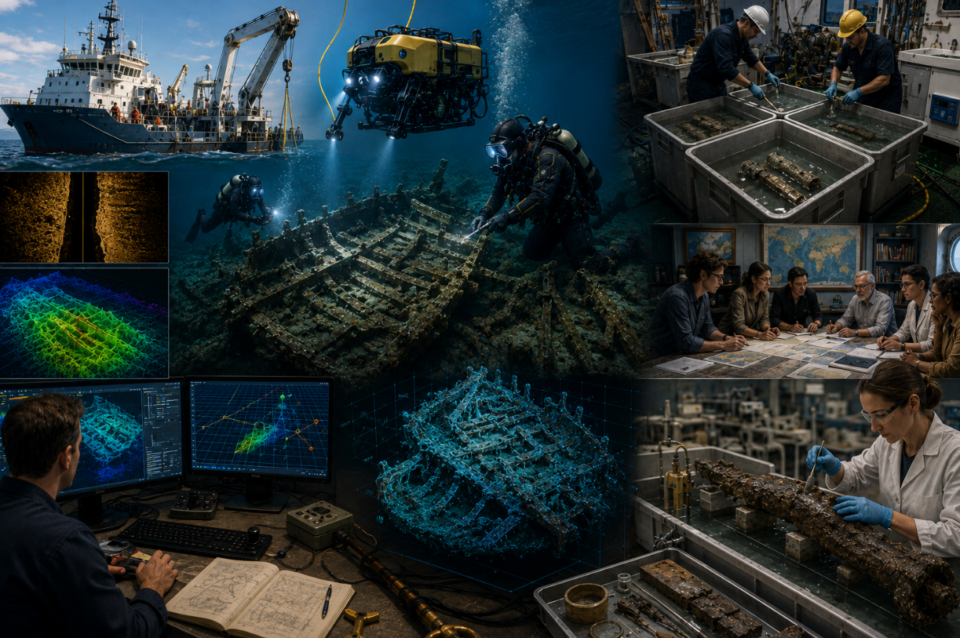
Uncovering centuries-old naval wreckage opens unique channels for studying ancient global economies and regional defense histories. When technical search groups utilize sub-surface equipment to pull artifacts from the sea, they frequently face strict regulatory oversight. Balancing state preservation goals with private exploration resources remains a major operational challenge worldwide.
Documenting the Structural Layout of Sunken Vessels
Tracking fragile historical remains in deep marine environments requires highly advanced mapping arrays and controlled surface platforms. Research divers spend weeks detailing the precise orientation of debris lines before removing structural pieces. This spatial documentation provides critical clues regarding the ship’s final operations and structural failure points.
Navigating Local Public Property Disputes
Serious cultural disagreements routinely happen when private exploration groups take ownership of artifacts pulled from regional waters. Local communities frequently argue that these unique items belong in local public museums rather than private collections. Resolving these ownership disputes forces international regulatory agencies to establish clear, updated maritime guidelines.
The social focus on the Black Dive Expedition Controversy emphasizes the intense public interest surrounding modern salvage operations. Academic scholars continue to advocate for deeper transparency and public access to recovered materials.
- Integrated side-scan sonar seabed sweeps
- Multi-angle high-definition remote photography
- On-site climate-controlled rinsing tanks
- Three-dimensional computerized wreck site mapping
Preservation Requirements for Waterlogged Metal Items
Submerged iron artifacts undergo significant structural degradation due to long-term exposure to deep-sea mineral salts. When brought to land, sudden contact with oxygen causes the metals to flake and crumble apart rapidly. Specialists rely on long electrolytic stabilization baths to slowly remove corrosive elements from the recovered materials.
Conclusion
Protecting underwater history relies on a cooperative framework connecting private exploration groups and regional historical organizations. Every physical item brought to light provides invaluable knowledge that enriches our shared global heritage. Establishing ethical research methods helps preserve these unique structural narratives for future educational study.
