
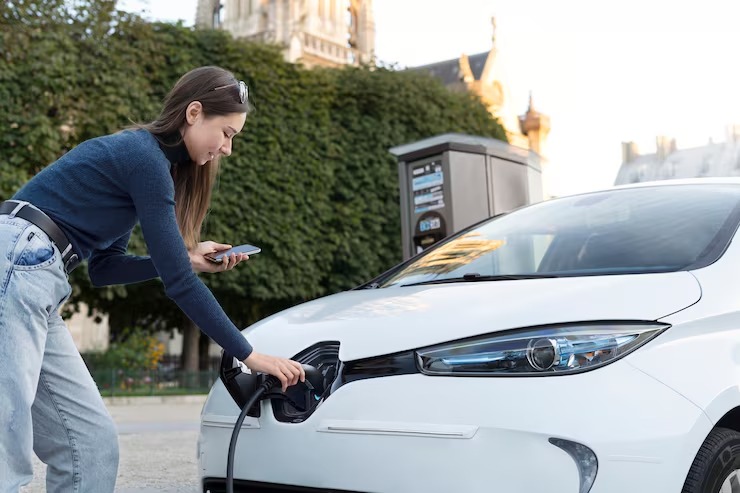
Buying an electric car feels like a big step. You look at price, range, charging time, and features. But one question matters most for many buyers. How long will the battery last?
Your car battery is the heart of an EV. It powers the motor, lights, screens, heating, cooling, and many other systems. If the battery stays healthy, your car feels useful for many years. If battery health drops fast, range goes down and your daily drive feels harder.
A clear guide on EV battery life helps you make a smarter choice before buying, leasing, or keeping an electric car for long-term use.
What Does EV Battery Life Mean?
EV battery life means how long the battery gives strong range and steady power before major wear starts. It does not mean the battery suddenly dies one day. Most EV batteries lose capacity slowly over time.
For example, a new EV might give 300 miles on a full charge. After years of use, the same car might give 260 or 270 miles. The car still works. The battery still stores power. But the range becomes lower.
Most modern EV batteries last around 8 to 15 years with normal use. Many drivers keep using their EV after battery range drops a little. Good charging habits, mild weather, and regular care help the battery stay healthier.
How Long Do EV Batteries Last?
Most electric car batteries are made to last for many years. Automakers often give battery warranties for 8 years or around 100,000 miles. Some brands offer longer coverage. This gives buyers more trust.
An EV battery has smart software. This software controls charging, heat, cooling, and power use. It helps protect the battery during daily driving and charging.
Daily driving also matters. A person who drives 25 miles a day puts less stress on the battery than someone who drives long highway trips every day. Still, most EV batteries handle normal family use well.
EV Battery Life: How Long Do Electric Vehicle Batteries Last?
The simple answer is this. An EV battery often lasts longer than many people expect. Many batteries keep good health after 100,000 miles. Some reach 200,000 miles or more with careful use.
Battery life depends on charging habits, temperature, and driving style. Fast charging every day adds more heat. Extreme heat or cold adds stress. Hard driving also uses more energy and raises battery load.
If you treat the battery with care, you get better range for longer. You do not need perfect habits. You need steady habits.
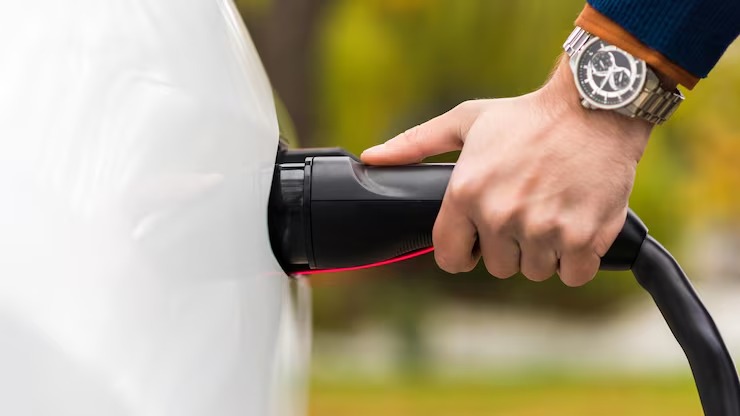
What Affects Battery Health?
Heat is one of the biggest reasons batteries age faster. High heat puts stress on battery cells. Parking in hot sun every day for long hours is not ideal. If your EV has battery cooling, the system helps protect the battery.
Cold weather also affects range. In winter, batteries work harder. The car uses energy to warm the cabin and battery pack. This does not always mean lasting damage. Most range loss in cold weather comes back when weather gets warmer.
Charging style also matters. Charging to 100 percent every day puts more pressure on the battery. Draining the battery close to zero often is also not good. A middle charge range is better for daily use.
Simple Charging Tips for Longer Battery Life
Good charging habits are easy. You do not need to think too much every day. Follow simple steps and your battery gets better care.
- Keep daily charging between 20 percent and 80 percent when possible.
- Use fast charging mainly for road trips, not daily charging.
Home charging is often better for regular use. It gives slower and steady power. The battery heats less. You also wake up with enough range for daily driving.
Charge to 100 percent before a long trip when needed. That is fine. The main point is to avoid keeping the battery full for long periods.
Why Electric Vehicle Battery Care Matters
Battery care saves money and stress. A healthy battery gives better range. It also helps your car hold better resale value. Buyers often ask about battery health before buying a used EV.
A well-kept electric vehicle battery also helps reduce repair worry. Battery replacement is costly, so daily care matters. You do not need special tools. You need better habits and simple checks.
For example, if your car app shows charging speed, range, and battery status, check those details sometimes. If range drops too fast, ask a service center to check battery health.
Driving Habits That Help Battery Life
Smooth driving helps your battery. Fast starts use more power. Hard braking wastes energy. Most EVs have regenerative braking, which sends some energy back to the battery during slowing down.
Use eco mode for daily trips if your car has one. It saves energy and makes driving smoother. Keep tire pressure correct too. Low tire pressure makes the car work harder and lowers range.
Short trips are easy on EVs. Long high-speed trips use more power. Highway speeds drain batteries faster than city driving. Plan charging stops before long travel so you do not run the battery too low.
EV Battery Warranty: What To Check
Before buying an EV, read the battery warranty. Do not skip this part. Warranty terms explain years, mileage, and minimum battery capacity coverage.
Many EV warranties cover the battery if capacity drops below a set level during the warranty period. This level is often around 70 percent, but each brand has its own rule.
A used EV should also have a battery report when possible. Ask the seller or dealer for one. This helps you see how much capacity the battery still has.
When Should You Worry About Battery Loss?
Small range loss is normal. Do not worry if your EV loses some miles after years of driving. Batteries age slowly.
You should pay attention if range drops fast within a short time. Also watch for slow charging, warning lights, or sudden power issues. These signs need a service check.
Most drivers notice range changes during cold weather, heavy AC use, high speed, or long uphill drives. These changes are often normal. Look at long-term patterns, not one single trip.
Best Way To Protect EV Battery Life
The best way is simple. Keep the battery cool, charge wisely, drive smoothly, and follow service advice. Use your EV app to track battery status and charging records.
Do not panic about battery care. EVs are built for daily life. You drive to work, shop, school, and trips without worrying every hour.
A few smart habits help a lot. Charge at home when possible. Avoid daily fast charging. Keep battery level in a healthy range. Park in shade during hot days. Keep tires filled correctly.
Summary
EV battery life is one of the most important things to know before buying an electric car. Most EV batteries last 8 to 15 years, and many stay useful beyond 100,000 miles. Battery health depends on heat, charging habits, driving style, and regular care.
You do not need complex rules. Use steady charging, avoid too much heat, drive smoothly, and check battery health sometimes. These small steps help your EV stay useful for years.
FAQ
What is the average EV battery life?
Most EV batteries last around 8 to 15 years with normal use. Many batteries keep good range after 100,000 miles.
Is fast charging bad for EV batteries?
Fast charging is fine for road trips. Daily fast charging adds more heat and stress, so home charging is better for regular use.
How do I make my EV battery last longer?
Keep daily charge between 20 percent and 80 percent when possible, avoid extreme heat, drive smoothly, and follow your car’s service guide.
Learn More About EV Battery Care
Understand battery life, charging habits, and simple care tips to keep your electric vehicle running better for years.
