
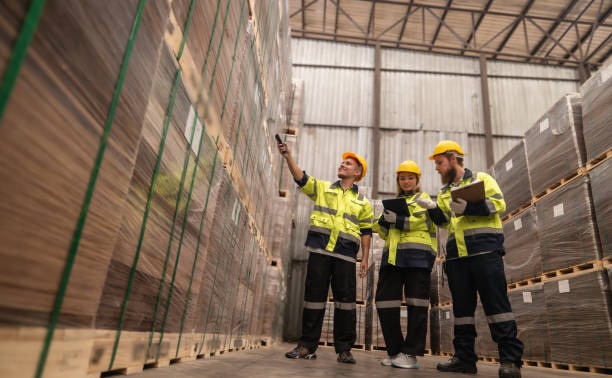
Warehouse automation is changing how companies receive, store, organize, and ship products. While robotics and automated conveyors receive considerable attention, accurate data collection is equally important. Physical freight must be measured and identified before software can make informed decisions about it. A pallet dimension scanner helps capture essential dimensional information and can connect that information with modern warehouse processes.
Automated measurement can be especially valuable in facilities where pallets move continuously through receiving and shipping areas. Instead of making workers stop to measure every shipment manually, scanning technology can become part of the material flow.
The Connection Between Measurement and Automation
Automation depends on reliable information. A warehouse management system may know what a pallet contains, but it also needs information about where the pallet can fit and how much space it occupies.
Dimensional scanning provides that missing physical information. Once dimensions are captured, they can potentially be associated with shipment identifiers and stored digitally.
Creating a Digital Profile for Each Pallet
A pallet dimension scanner can help transform a physical load into a digital record containing measurable characteristics. This makes dimensional information easier to share between warehouse, transportation, and inventory systems.
The result is a more connected process in which physical operations and digital planning work together.
Improving Receiving Operations
Receiving areas often experience high activity because incoming freight must be unloaded, checked, identified, and directed to appropriate locations.
Manual dimensioning adds another step to this process. Automated scanning can reduce the amount of time employees spend taking measurements and recording results.
When scanning occurs as part of the receiving workflow, dimensional information can become available earlier. This may help warehouse teams determine suitable storage or staging options more efficiently.
Supporting Better Space Utilization
Warehouse space is expensive. Inefficiently stored pallets can reduce available capacity and create unnecessary movement.
Accurate dimensional data allows businesses to understand the actual physical requirements of their inventory. This information can support storage planning and help identify opportunities to use available space more effectively.
A pallet dimension scanner can contribute to this process by producing standardized measurements instead of relying entirely on manual estimates.

Important Capabilities to Consider
- Measurement accuracy: The system should provide dependable dimensions for the pallet types being processed.
- Scanning speed: High-volume operations require equipment capable of keeping pace with material movement.
- Data integration: Measurement information should work with relevant warehouse and logistics software.
- Operational flexibility: The equipment should accommodate the range of freight handled by the facility.
Connecting Scanning With Warehouse Software
Technology becomes more valuable when systems communicate with one another. Dimensional data can potentially be associated with barcode information, shipment records, inventory IDs, or transportation documentation.
Reducing Manual Data Entry
Manual data entry creates opportunities for incorrect numbers, misplaced digits, or incomplete records. Automated data transfer can reduce these risks.
A pallet dimension scanner can capture measurements electronically and send them to connected systems, reducing the number of steps required between measurement and digital record creation.
Supporting Transportation Automation
Warehouse automation does not stop at the loading dock. Transportation operations also depend on accurate freight information.
Dimensions can influence trailer utilization and shipment planning. Reliable measurements can help logistics teams understand how pallets may fit into available transportation space.
When measurement data is captured automatically, it can become available to transportation systems without requiring separate manual documentation.
Planning for Long-Term Automation
Businesses considering automation should think beyond individual machines. The most effective systems typically form part of a connected operational environment.
Before implementing scanning technology, companies should map current workflows, identify measurement bottlenecks, determine software requirements, and establish procedures for handling exceptions.
A pallet dimension scanner should be selected according to these operational needs rather than simply based on technical specifications.
Making Automation More Data Driven
The future of warehousing will increasingly depend on data generated directly from physical operations. Measurement systems can provide one of the important data streams required for this transformation.
As scanning technology develops, integration with artificial intelligence, warehouse robotics, and predictive analytics may become more sophisticated.
Conclusion
Warehouse automation requires accurate information as much as advanced equipment. A pallet dimension scanner can provide dependable dimensional data while supporting faster receiving, better space planning, reduced manual entry, and stronger system integration. By making physical measurements part of the digital workflow, businesses can build warehouse operations that are more connected and prepared for future automation.
