
Picture a forklift driver halfway down aisle nine with a full pallet when the wheel catches a crack and the load tilts. Nobody’s hurt this time. But the manager walks over, stares at that patch of concrete, and thinks, this has to stop. A lot of facilities reach that moment before they look at commercial epoxy flooring seriously.
So here’s the short answer most people want. Yes, a proper resin floor can handle that kind of traffic, as long as it goes down on well prepared concrete. Epoxy Floors NJ has been doing warehouse work since 1988, and everything below comes from how that team describes its own process.
Flat Floors Save Money You Don’t See
A warehouse floor has to be flat and even. Sounds dull until a load slides off a pallet or a forklift lands in the repair shop for the third time this year. The team points out that a level surface helps avoid lost loads and costly forklift repairs, and that matters more than most budgets show.
What Self Leveling Really Does
Think of it as pouring a smooth skin over tired concrete. The material settles into the low spots and leaves a seamless, level finish, which is why it’s used to restore worn floors in busy commercial buildings. No seams for grit to hide in. Aisles that once rattled every cart can feel almost new.
Heavy Duty Help for the Rough Corners
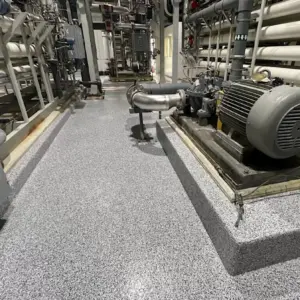
Loading docks and shop corners take far more punishment than the middle of an aisle. For those zones, the company uses heavy duty epoxy mortar, made with 100% solids epoxy and graded quartz or silica. It’s built to resist impact, chemicals and thermal shock. Not glamorous, but it earns its keep.
Then there are the places visitors see. Decorative epoxy quartz combines an anti slip texture with multi colored aggregate, so entry areas with constant foot traffic can look sharp and still grip when somebody walks in with wet shoes. Same building, different job.
A Quick Word About Dust
Nobody wants concrete dust drifting over stock. The crew uses HEPA vacuum systems, and the company says that helps keep an installation about 99.9% dust free. If you’ve got pallets stored close to the work zone, that detail matters a lot more than it sounds.
What the Install Looks Like
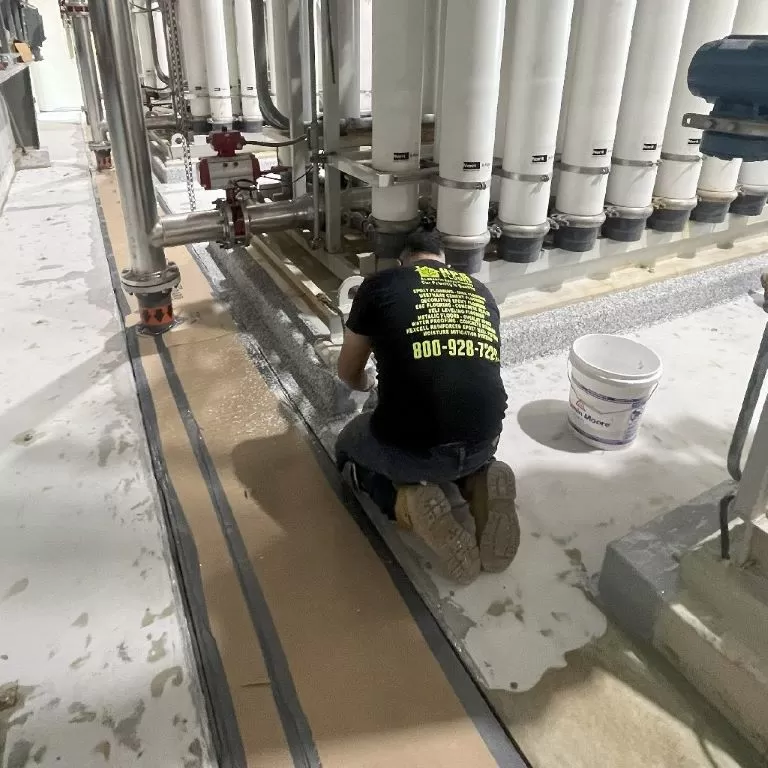
Prep comes first, and it’s the part people rush. Crews grind the slab with diamond equipment, fix cracks, then apply primer, base coats and topcoats. For most commercial jobs in New Jersey the whole thing takes 3 to 7 days, depending on square footage and the condition of the concrete.
Light foot traffic is often fine after 24 hours. Heavy machinery or vehicles usually need 48 to 72 hours of cure time. So plan your forklift return date around that number, not around hope, and tell your dock team before the floor goes down.
Final Thoughts
Warehouse floors don’t get attention until something breaks, so don’t wait for that moment. If you’re planning a reset, talk to a team that has worked on warehouse floors since 1988 and ask about commercial epoxy floor coating for your aisles.
