
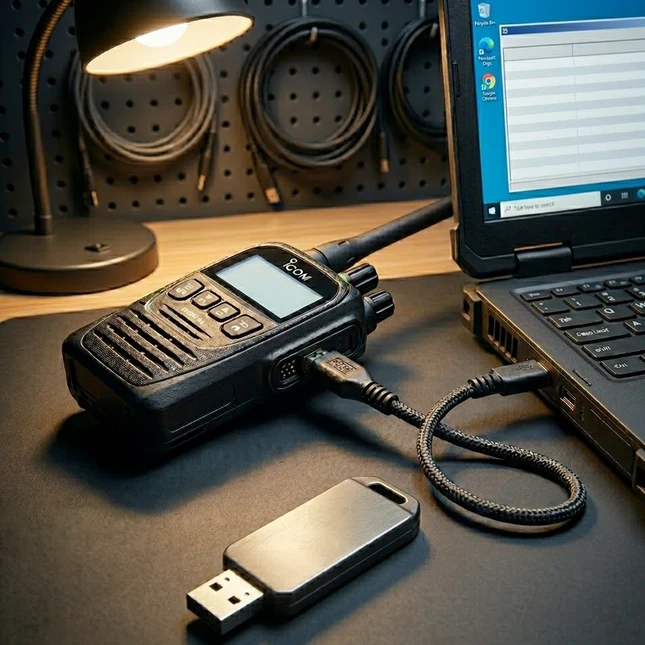
When someone on a construction site needs to reach a foreman three floors up, they don’t pull out a smartphone and hope for signal. They reach for a radio. And chances are, that radio has a Motorola logo on it. There’s a reason for that — a long, unglamorous, practical reason that has nothing to do with marketing.
Motorola has been building communication hardware since before most of us were born. But brand history only matters if the product keeps earning trust. In industries where a dropped call isn’t just annoying but operationally expensive — or genuinely dangerous — trust is the whole ballgame.
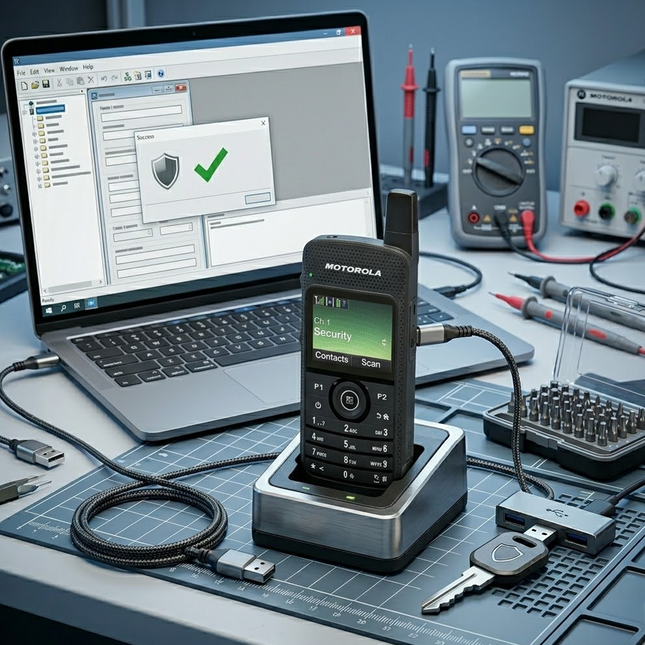
The Business Case for Professional-Grade Radios
Why Smartphones Aren’t Always the Answer
This might sound counterintuitive, but hear it out. Smartphones are incredible tools. They’re also fragile, dependent on cellular infrastructure, drained by background apps, and fundamentally designed for consumer use. When a hotel housekeeper needs to alert maintenance about a broken HVAC unit, fumbling through a call app while juggling a cart isn’t practical.
Push-to-talk radios solve a specific problem: fast, hands-free, group communication in a defined area. No account login, no voicemail, no dropped packets from a weak 4G signal. You press a button, you talk, the right people hear you. That simplicity is exactly the point.
What Industries Actually Rely On
Walk through a busy warehouse, a convention center, a hospital, or a resort property. You’ll see radios everywhere — on belt clips, in vest pockets, mounted in vehicles. The industries that use them don’t have that in common because radios are cheap. They have it in common because radios work when nothing else will.
Security teams, event coordinators, manufacturing floor supervisors, school facilities staff — they all operate in environments where communication gaps cost real money or create real risk. The hardware has to be dependable, not impressive.
Built for Environments That Aren’t Gentle
Durability That Actually Matters
There’s a meaningful difference between a radio that’s rated IP54 and one that can take a drop onto a concrete floor on a cold morning. Professional-grade Motorola units are generally built to MIL-STD-810 standards, which means they’ve been tested against shock, dust, humidity, and temperature extremes — not just rated against them on paper.
That matters in practice. A radio that fails after six months of daily use in a food processing facility isn’t a cost savings. It’s a liability.
Battery Life and Shift Coverage
Most professional environments run 8- to 12-hour shifts. The radio needs to run the whole shift without a mid-day scramble for a charging dock. Motorola’s industrial-grade units are designed with that reality in mind. Some models offer extended battery options for longer operations — 16-hour shifts, multi-day events, remote deployments.
It sounds basic. But if you’ve managed a team where two people were sharing one radio because the battery died, you know how fast that becomes a real operational problem.
The Accessories and Ecosystem Question
Why the Radio Is Only Part of the Story
A radio by itself is half the solution. The other half is how it integrates into a team’s actual workflow. That means earpieces for environments where ambient noise is high, surveillance kits for security staff who need discretion, remote speaker microphones for vehicle-mounted units, and multi-unit charging solutions for facilities with large teams.
The value of sticking with a reputable supplier isn’t just about the hardware — it’s about access to a full accessories ecosystem that’s been tested and matched to specific models. Mixing and matching from random third-party sources often introduces compatibility issues that show up at the worst possible moment.
For businesses looking to equip a team properly, Atlantic Radio offers both Motorola radios and a comprehensive range of compatible accessories — which makes the setup process significantly less painful than piecing together components from multiple vendors.
Licensing and Frequency Considerations
One thing that catches businesses off guard: most professional two-way radios operate on licensed frequencies, which means you’ll need an FCC license before using them commercially. This isn’t a bureaucratic headache so much as a practical necessity — licensed frequencies are less congested, more reliable, and legally protected for your use.
A good radio vendor will walk you through that process. If they don’t mention it, that’s worth noting.
What Long-Term Ownership Actually Looks Like
Repair, Support, and Replacement Cycles
Two-way radios aren’t a buy-once proposition. Over a fleet’s lifecycle, you’ll replace batteries, lose an earpiece or two, deal with a unit that took one drop too many. The question isn’t whether maintenance will happen — it’s whether the vendor relationship and parts availability will make it manageable.
Motorola’s parts and accessory availability is strong, which is part of why the platform remains dominant in commercial settings. There’s a market for replacement components, authorized service centers, and certified refurbished units. That ecosystem matters for businesses that plan to use their radios for more than a year or two.
When to Upgrade
The honest answer: not as often as you might think. A well-maintained fleet of quality radios can serve a business for five to seven years without significant performance degradation. The upgrade calculus changes when a team’s communication needs change — larger coverage area, integration with digital networks, enhanced encryption requirements — not simply because newer models exist.
Conclusion
Professional communication tools don’t need to be glamorous. They need to work — reliably, repeatedly, under conditions that aren’t always ideal. Motorola SL300 has maintained its position in the commercial two-way radio market not through aggressive marketing but through hardware that earns continued trust from the people who depend on it daily. If you’re equipping a team and doing it right, that track record is worth taking seriously.
