
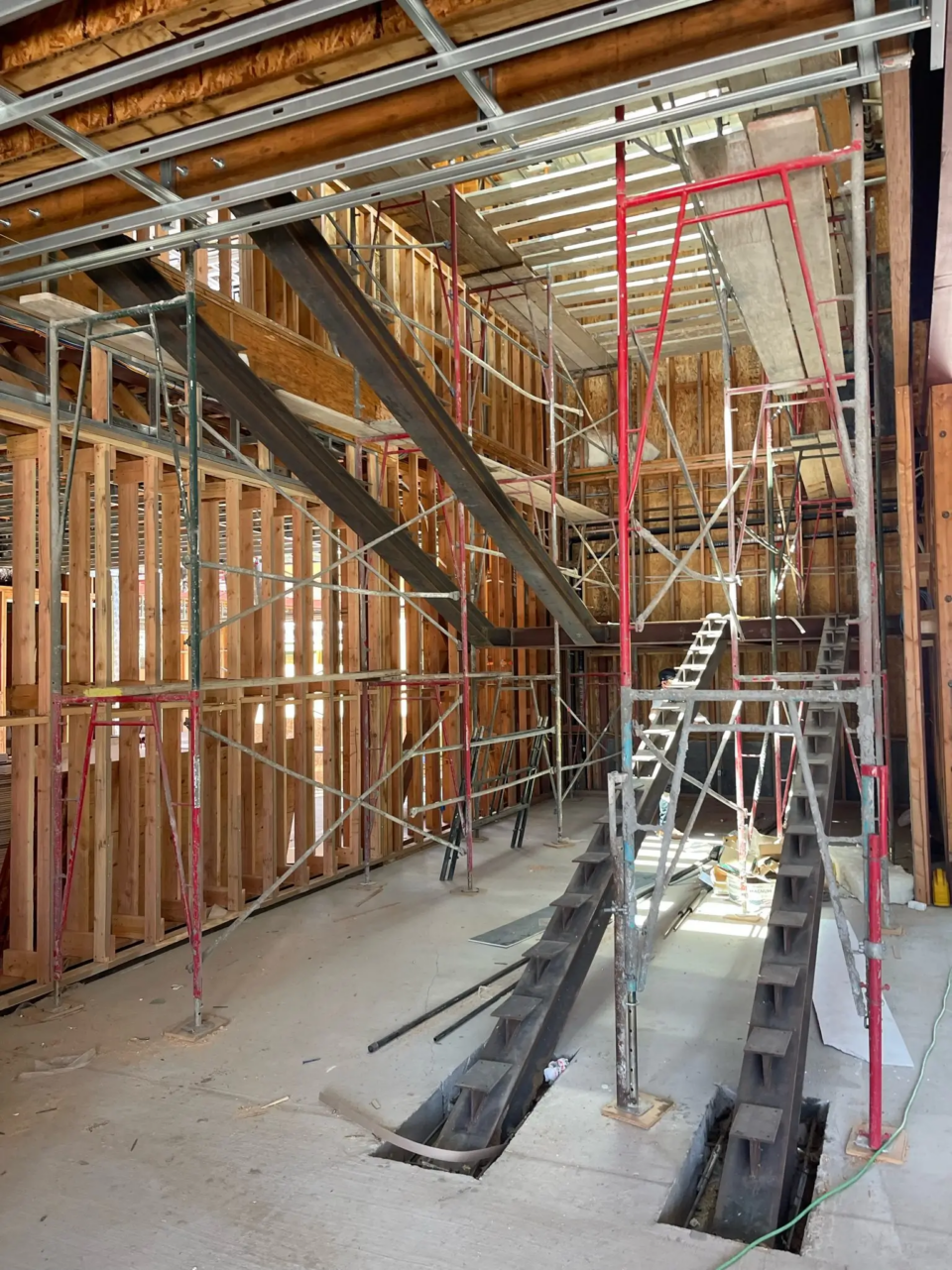
Sometimes, yes. Sometimes, no. Steel framing earns its price on projects with long spans, pest trouble, or tight fire concerns, and it’s overkill on a basic one-story build. The trick is knowing which camp your project falls into.
This guide covers where structural steel framing makes sense, what pushes the price up or down, and how to size up a crew before you commit.
When Steel Framing Pays for Itself
It pays off when your project asks more from the frame than wood can comfortably give. Look for a few of these signs:
- You want wide open rooms without a forest of posts.
- Termites or damp are a known problem on your lot.
- Fire safety sits high on your list.
- You’re stacking several stories and need a frame that stays straight under load.
- You want walls that won’t twist or shrink as the years pass.
Tick two or three boxes and steel deserves a serious look.
When It Doesn’t
Let’s be honest here. A small, simple house on dry, flat ground often does fine with wood, and wood usually costs less up front. Steel can add expense in materials and sometimes in specialized labor.
If nothing on that list applies to you, don’t buy steel just because it sounds tougher. A good contractor will tell you so. Be wary of anyone who says steel is right for every job.
What Drives the Price
Costs swing a lot from one project to the next. These are the levers that move the number:
| Cost factor | Why it moves the price |
| Building size and height | More steel, more labor, more lift time |
| Design complexity | Odd angles and custom connections take longer to fabricate |
| Type of steel | Light gauge and heavy structural members price differently |
| Site access | Tight lots make delivery and lifting harder |
| Engineering and permits | Drawings and inspections add their own line items |
Ask for your quote broken out along these lines. One lump sum hides where the money’s going.
How the Timeline Usually Runs
Most steel jobs follow the same order:
- Engineering and drawings. Nothing gets cut until the design is approved.
- Permits. Timing depends on your city, so ask early.
- Fabrication and delivery. Members are often cut to size before they reach your site.
- Erection. Beams and columns go up, then get bolted or welded in place.
- Inspection. The frame has to pass before other trades move in.
Steps one and two usually eat more calendar time than people expect. The part where steel goes up can be the quick part.
What to Look for in Steel Framing Contractors
Good steel framing contractors show their work. They’ll walk you through the drawings, explain how connections get inspected, and tell you what could slow things down.
Ask to see past projects close to yours in size. Check the license with the Contractors State License Board, and request proof of insurance. Then pay attention to how they communicate. If answers come slowly during the sales stage, expect the same once work starts.
One more thing. Get the scope in writing: materials, labor, schedule, and what’s excluded. A vague number tends to grow.
Three Planning Moves That Save Headaches
- Bring in the engineer early. Changing a design after fabrication starts gets expensive fast.
- Ask about steel lead times. Don’t set a move-in date until you know when material can arrive.
- Check local code up front. Inspection steps vary by city, and surprises cost days.
Conclusion
Steel framing isn’t a status upgrade. It’s a tool. Use it where its strengths solve a real problem on your site, and skip it where they don’t.
Spend your energy on the contractor, not on the material debate. A careful crew with honest answers will do more for your project than any spec sheet. If you’re building in Los Angeles, Snow Construction offers steel framing services and is worth a conversation.
Ask for the breakdown. Then decide.
FAQs
Is steel framing cheaper than wood in the long run?
Sometimes. Materials often cost more, but fewer pest problems and less warping can lower repair costs over the years. Your own site conditions decide it.
How long does structural steel framing last?
With proper coatings and care, it can serve a building for decades. Keeping moisture away from the steel matters most.
Does steel framing need special permits?
It needs permits like any structural work, plus engineered drawings. Your city’s building department can tell you exactly what’s required.
Can I use steel framing for an addition?
Yes. Light gauge steel works well in additions, and structural steel helps when you need large openings or extra support.
What should I ask steel framing contractors first?
Start with licensing, insurance, similar past projects, and a written scope. Then ask how they handle inspections.
